Okay, so check this out—I’ve been in crypto long enough to have burned a few trades. Wow. My instinct said “don’t rush,” but I still clicked through, and yeah… lost a tiny stack because of a slipped gas setting. Seriously? That moment stuck with me.
At first I thought it was just user error. Then I dug into tooling. Hmm… transaction simulation kept popping up. It felt like a cheat code. On one hand, you can eyeball a tx and hope for the best. On the other, you can run a dry-run and see what the chain will actually do—before sending anything. Initially I underestimated how much detail those sims give you, but the deeper I went, the more I realized they’re not optional anymore for power users.
Here’s the thing. Simulations surface reverts, slippage pitfalls, nonce problems, and hidden contract calls that you wouldn’t normally spot. They’re especially useful across chains—bridges, wrapped assets, liquidity pools—where one little approve-and-transfer can cascade into a mess. I’m biased, but once you start simulating, you start to think differently about each click: is this deterministic? will I get front-run? what’s the worst-case gas here?
My working theory evolved: simulation isn’t just about avoiding failures; it’s about composability safety. Actually, wait—let me rephrase that. It’s about trusting composable ops without turning every interaction into a nerve-wracking blindfolded gamble. You trade confidence for a small amount of cognitive overhead, and the payoff is fewer disasters.
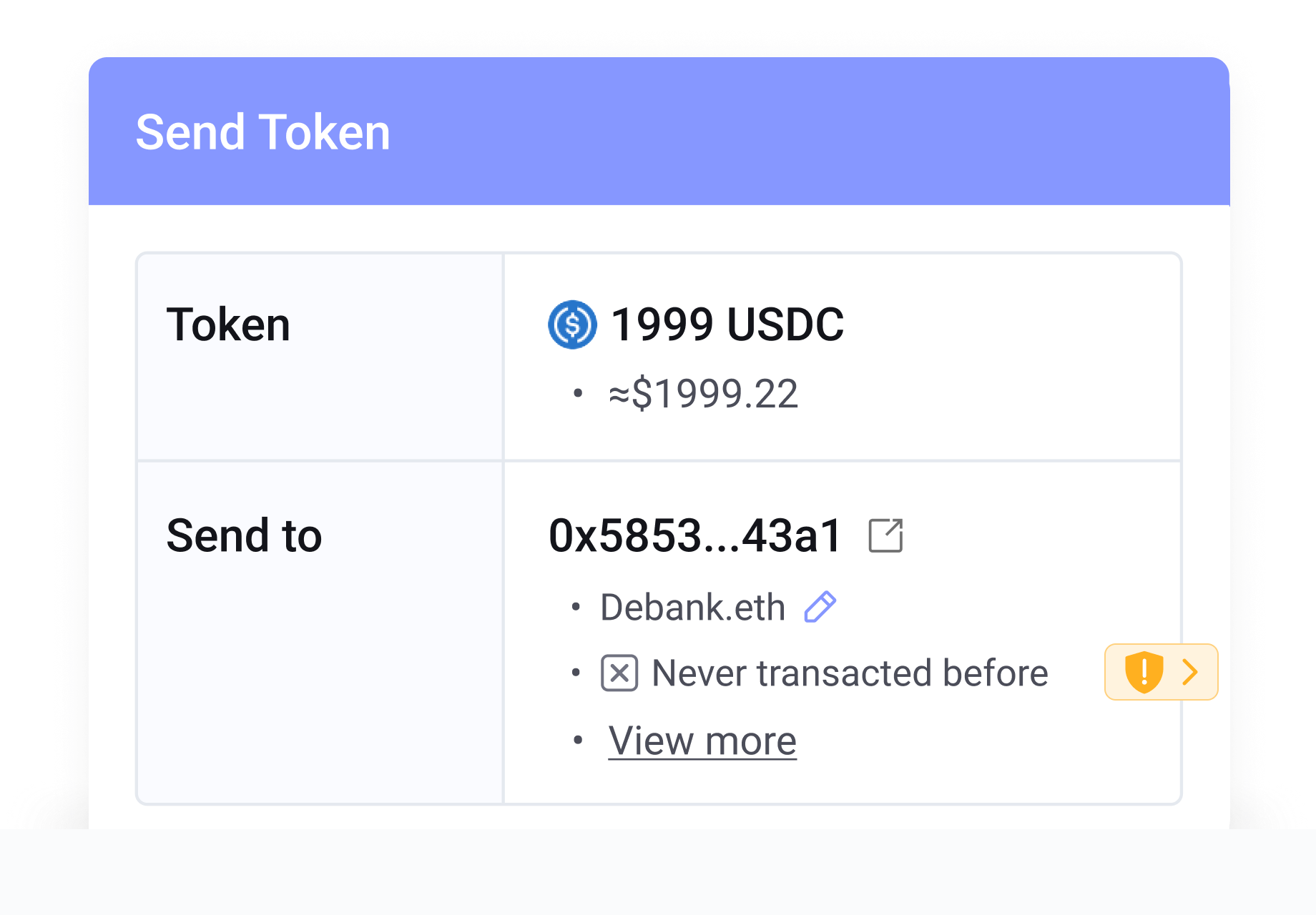
So how do transaction simulators actually help?
Short answer: they preview the blockchain’s response. Long answer: they emulate the EVM (or equivalent) state at the point your tx would execute and return a detailed trace: which calls succeeded, which reverted, how much gas was consumed, how balances changed, and whether any unexpected contract logic kicked in. My first impressions were visceral—like peeking under the hood. It feels nerdy in a good way.
Think of simulation like rehearsing a complicated stage play. You get to see which props fall, who misses a line, and whether the set collapses—before the audience shows up. The major benefits for DeFi power users are obvious:
- Find reverts before the gas burns.
- Predict slippage and failed swaps at complex routes.
- Detect unexpected approvals or token behavior.
- Catch cross-contract side effects (re-entrancy surprises… yep).
On a practical level, a good simulator will show call traces and internal transfers, which is where most nasty surprises hide. And if you’re juggling multiple chains, simulation can highlight where wrapped tokens differ or where a bridge’s pre-checks will reject a payload.
One caveat: sims aren’t omniscient. They assume the chain state won’t change between the sim and broadcast, which isn’t true in high-frequency DeFi flows. Still, sim + sane slippage/gas settings = much better outcomes.
My day-to-day: how I use it in real work
Okay, so here’s a quick, practical rundown of my routine. Something felt off about blindly approving tokens, so I made a checklist:
- Run simulation on swaps and multi-hop trades.
- Inspect internal calls for unexpected transfers.
- Double-check approvals—revocations if I don’t need long-lived allowances.
- Simulate bridge transfers with the exact nonce and gas I plan to submit.
For browser-wallet workflows, the UX matters. I started relying on extensions that integrate simulation into the approval flow, and that changed everything. One wallet I recommend (and use often) integrates simulation so smoothly that it feels like a native safety net—very intuitive for power users. If you want to see that in action, check rabby wallet for a sense of how an extension can fold sims into the UX without being obnoxious.
I’m not claiming perfection. I’m not 100% sure every scenario’s covered. But in practice, simulations caught a dozen edge cases for me: a token with transfer fees that messed up a liquidity add, a bridge that required extra approve-before-lock steps, and a contract that looked fine until I hit a certain state that caused a revert. Those are the surprises you want to catch early.
Common questions I get from other power users
Does simulation add latency to my workflow?
Yes and no. Running a sim takes a few extra seconds or a couple of RPC calls. But time saved from not having to chase refunds, file tx replacements, or recover from gas-wasting reverts is almost always worth it. My instinct said “ugh, slow down,” but objectively it’s faster over the long run.
Can a simulation be wrong?
Absolutely—especially under mempool volatility or when state changes between the sim and broadcast. Simulators model the current state, not future mempool jockeying. That said, the majority of logical bugs and misconfigurations are still caught reliably.
Are simulations only for big trades?
No. They’re useful for any non-trivial contract interaction. I simulate approvals, LP adds, margin adjustments, and bridge operations—small txs can still trigger contract logic that surprises you.
What I wish wallets did better
Here’s what bugs me about most wallet implementations: they surface a binary “approve” or “reject” modal with no meaningful transparency. That’s lazy. Users need readable traces, not just raw hex or “simulation failed.” Okay, so check this out—when a wallet shows an internal transfer and flags an unexpected recipient, you can act. Otherwise you just sign, cross fingers, and hope.
Also: revocation UX is terrible. I mean, seriously, why is revoking a single approval buried three layers deep? My workflow now includes regular audits of allowances, and I use tools that let me revoke safely. (Oh, and by the way… keeping some long-lived allowances is fine if you’ve vetted the contract—but document why you left them.)
Finally, multi-chain parity is still messy. Different chains expose different precompiles and gas models. Simulators need chain-specific nuance to be truly reliable, and many just lazily re-purpose EVM sims across chains without fine-tuning. That gap bites when you’re bridging or interacting with L2s that change gas semantics.
Practical tips for adopting simulation like a pro
Here are the habits that saved me the most headaches:
- Always simulate complex trades and contract calls. Even if the amount is small—run it.
- Read the call trace. Don’t gloss over it. Look for transfers to unfamiliar addresses and nested calls.
- Set conservative gas and slippage margins, then re-simulate if you change them.
- Use revocation tools periodically, and document allowances for critical wallets.
- When bridging, simulate both the send and the receive (if possible) so you can catch mismatched expectations.
My approach is pragmatic. I don’t simulate every tiny move, but I do for anything that touches composability, third-party contracts, or cross-chain rails. That kind of triage keeps cognitive load manageable while reducing risk.
Final thoughts (not a tidy wrap-up, more like a last note)
I’m biased toward tooling that surfaces information up front. My early mistakes taught me that avoiding a single dumb click can save hours and real money. On the flip side, simulations can lull people into overconfidence if they forget about mempool dynamics. So: balance. Simulate, but still respect the market’s chaos.
If you’re exploring a wallet with strong simulation features, give it a spin—see how the UX frames traces and approvals. For a hands-on feel of an extension that blends simulation into everyday flows, take a look at rabby wallet. I’m not saying it’s the only option, but it demonstrates how well-surfaced sims change behavior.
Alright. That’s my lived take. Something about seeing a trace before you sign just calms you down. Really. My instinct says you’ll breathe easier once you start simulating. And if you don’t—well, there’s always another burned gas bill to learn from…