We calculate it by deducting the accumulated depreciation from the original cost of the assets. The salvage value has no relation whatsoever with the balance sheet of the company. The difference between book value and salvage value lies in their definitions, purpose, and usage in accounting and financial analysis. Understanding salvage value these terms will be important for proper financial reporting, correct valuation of assets, and planning for the replacement or disposal of assets.
Challenges and limitations of salvage value estimation

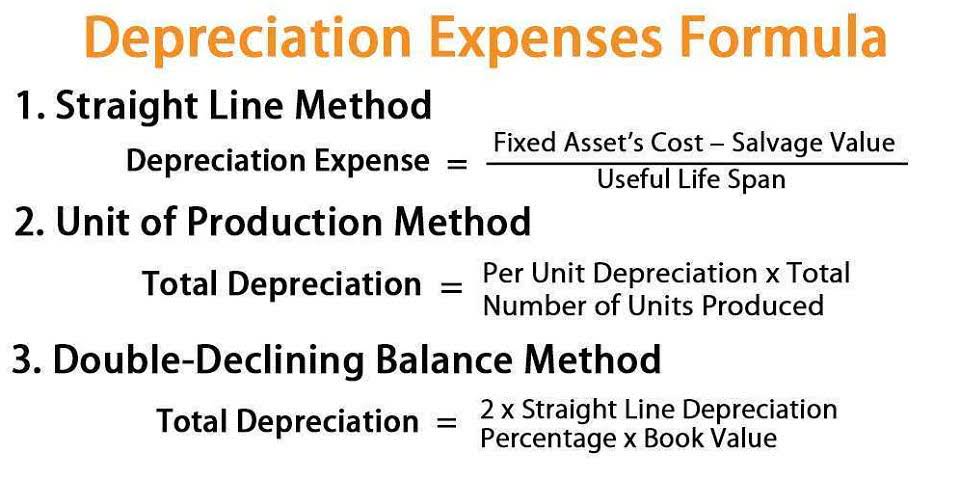
The company purchased the asset for a total basis of $51,000 and is projected to net $9,000 upon its eventual disposal, resulting in a total cost to the business of $42,000. At this point, the company has all the information it needs to calculate each year’s depreciation. It equals total depreciation ($45,000) divided by useful life (15 years), or $3,000 per year. This is the most the company can claim as depreciation for tax and sale purposes. The IRS allows businesses to use the Accelerated Cost Recovery System (ACRS) or Modified Accelerated Cost Recovery System (MACRS) methods to determine the amount to be depreciated.

How to Calculate Salvage Value
If the company has to pay 35% taxes on the gain, they actually received $9,750 from the sale. A change in salvage value can also affect the asset’s useful life, which can impact the amount of depreciation you can claim. If the asset’s salvage value increases, its useful life may decrease, and vice versa. You can stop Bookkeeping for Consultants depreciating an asset once you’ve fully recovered its cost or when you retire it from service, whichever happens first.
Salvage Value in Various Industries
Understanding salvage value aids in making informed investment and asset management decisions. It can influence whether to continue using an asset, upgrade it, or dispose of it. Companies can also use industry data or compare with similar existing assets to estimate salvage value. For example, a delivery company might look at the value of its old delivery trucks for guidance. A well-maintained asset retains more value than one that has been neglected.

Importance of Salvage Value
- Calculating salvage value is a crucial step in determining the worth of business and personal assets.
- Because of this, it’s always safer to estimate a more conservative salvage value.
- Also known as salvage value or scrap value, residual value helps businesses and investors understand how much is retained after an asset’s primary use period ends.
- That company may have the best sense of data based on their prior use of trucks.
- The buyer will want to pay the lowest possible price for the company and will claim higher depreciation of the seller’s assets than the seller would.
- The calculation typically involves analyzing historical data, market trends, and expert appraisals.
It represents the estimated worth of an asset at the end of its useful life. Whether you’re evaluating an investment, purchasing equipment, or planning for the replacement of an existing asset, understanding salvage value is essential. It uses the straight-line percentage on the remaining value of the asset, which results in a larger depreciation expense in the earlier years. Market conditions, asset maintenance, and technological advancements all play a role in determining an asset’s final worth. Businesses that overestimate salvage value risk inaccurate depreciation, while underestimating it may lead to higher expenses than necessary. After 10 income statement years, the company expects the van to be worth $5,000, which will either be sold as a used vehicle or scrapped for parts.
By considering these factors, you can make informed decisions about the residual value of your assets. The straight-line depreciation method is one of the simplest ways to calculate how much an asset’s value decreases over time. It spreads the decrease evenly over the asset’s useful life until it reaches its salvage value.