Whoa!
I started digging into DeFi wallets on Solana last month, and honestly it’s been a ride. My instinct said: be careful, but curiosity won out. Initially I thought browser extensions were all the same, but then I noticed how Phantom handles key management and dApp permissions differently, which got me rethinking my assumptions. Okay, so check this out—there are real trade-offs between convenience and control that matter if you hold significant assets.
Seriously?
Phantom’s extension is one of the most popular Solana wallets, and for good reason. It wraps private key encryption, seed phrase backup, and a smooth UI into a small addon you can add to Chrome or Brave. But being popular makes you a target: malicious clones and fake download pages pop up, so the way you download and install an extension really matters for safety and long-term peace of mind. I’ll walk through what to watch for and how to harden things without turning into a full-time security nerd.
Hmm…
First rule: never install from random links in Telegram or Twitter DMs. Instead, go to official sources or curated stores and double-check the publisher name and reviews. Actually, wait—let me rephrase that: even the Chrome Web Store can host copycats, so cross-check the developer, look for community confirmations, and consider downloading directly from the project’s official site if they offer a browser-friendly installer. If you want a quick safe start, grab the official installer via a trusted page like the one I used when setting mine up.
Here’s the thing.
When installing, watch permissions: a wallet extension should ask to read and write on the sites you connect to only when you request it. If an extension asks wide-scoped access immediately, that’s a red flag. On the other hand, some dApps need to interact with your wallet to work, so what you want is permission granularity and the ability to revoke access easily from the extension settings, which Phantom provides in a reasonably clear interface. I had one dApp keep a stale permission for months until I went and cleaned it up—so yes, do that.
Getting Phantom: safe download and setup
Wow!
You can install Phantom from the browser’s extension store, but again—double-check the publisher and reviews before clicking add. If you prefer a direct link that I vetted, consider the official redirect I used during setup: phantom wallet download extension. Initially I thought it was fine to follow random convenience links, but then I ran into a copycat page that mimicked the UI so well I nearly fell for it, and that experience is why I now manually verify certificates and community threads before trusting any download. After installation, write down your 12-word seed phrase on paper and store it in two separate places—no photos, no cloud backups, unless you encrypt them very carefully.
Really?
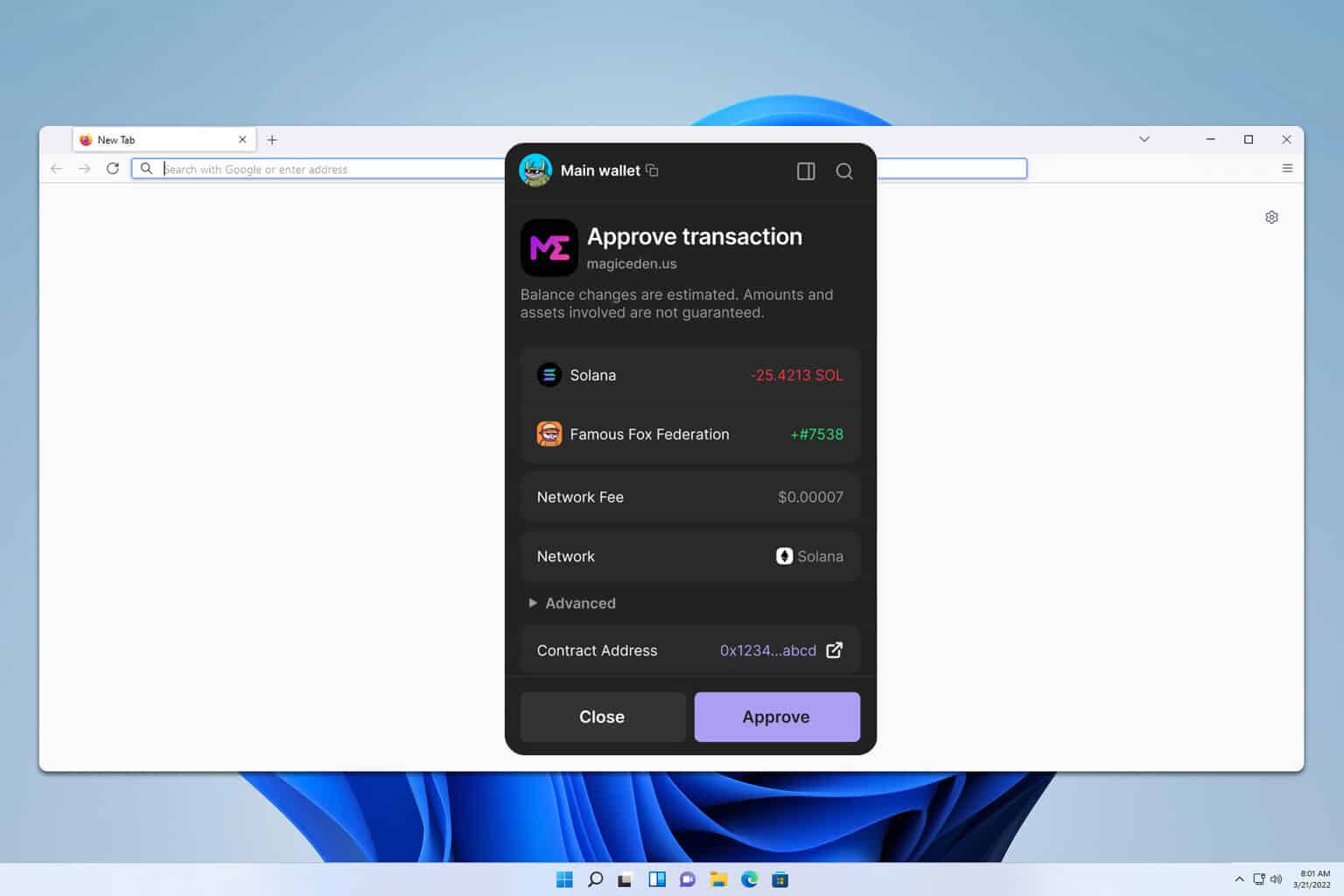
Connecting Phantom to a dApp is usually just a popup and an approve button, which is convenient but requires vigilance. On one hand, the popup UI simplifies transactions for mass users and reduces friction for on-ramp and swapping features, though actually you should always read the request details because signatures can sometimes authorize token spending rather than simple transfers, and that difference matters. Use small test transactions when interacting with new contracts or liquidity pools—I’ve lost a small amount testing, but it saved me from bigger mistakes later. Also consider bridging a hardware wallet like Ledger for extra cold-key security if you track meaningful balances.
I’m biased, but somethin’ about seed phrase screenshots bugs me.
People store seed phrases on their phone screenshots or in unlocked notes, and that’s a common and avoidable mistake. On the flip side, seed phrase management is inconvenient for some users, and that friction leads them to take risks like reusing phrases across wallets or storing backups with weak protection, which is exactly the pattern attackers exploit. Use a fireproof backup, or steel backups if you want long-term resilience, and test your recovery on a different browser profile before you rely on it. If you ever need to restore, follow the extension’s prompts carefully and don’t paste the phrase into random websites—phishing forms abound.
Hmm…
Solana fees are low, which makes frequent micro-transactions tempting. Yet privacy is still limited: transactions are public on-chain, and while that’s transparent for DeFi, it means your address activity can be linked across services if you reuse the same account, so consider account separation strategies or privacy-focused mixers cautiously. For NFTs and multiple identities, use different wallet accounts rather than reusing one for everything. Also, keep the extension updated—automatic updates patch exploits, and being out-of-date is a real risk.
Okay.
So yeah, browser-wallet extensions like Phantom give a sweet balance of convenience and power on Solana. Initially curious and somewhat skeptical, I ended up appreciating the ergonomics but also learned to be paranoid in productive ways—meaning: verify sources, limit permissions, back up seeds properly, and consider hardware keys for the big stuff. That blend keeps access fast while reducing catastrophic mistakes. I’m not 100% perfect at this, but if you follow those steps you’ll be much safer.
FAQ
Q: Can I use Phantom across multiple browsers?
A: Yes, but treat each install as a separate wallet unless you import the same seed phrase intentionally; I recommend creating distinct accounts for different use cases to limit linkability and blast radius if one profile is compromised.
Q: What if I lose my seed phrase?
A: If you truly lose it and didn’t set up any other recovery, access is gone—no central resets exist in self-custody systems—so test restores ahead of time and consider splitting backups using secure methods if you need redundancy.